Recent news reports have brought attention to a growing cyclosporiasis outbreak affecting multiple states. While public health officials continue investigating the exact source, outbreaks of cyclosporiasis are often linked to contaminated fresh produce, including herbs, berries, leafy greens, and raw vegetables. This makes the current outbreak an important reminder of how everyday food safety habits may help reduce the risk of foodborne illness.
People can become infected when they eat or drink something contaminated with the parasite. Cyclosporiasis is not typically spread directly from one person to another because the parasite needs time in the environment before it becomes infectious.
Although cyclosporiasis is not usually life-threatening, it can cause uncomfortable and sometimes long-lasting stomach and digestive symptoms. During an outbreak, understanding how the illness spreads and how to reduce risk can help individuals and families make safer choices when preparing and eating food.
Why Are People Talking About Cyclosporiasis Right Now?
Cyclosporiasis cases often increase during the warmer months, especially in late spring and summer. Recent outbreak reports have brought renewed attention to this illness and the importance of food safety.
During an outbreak investigation, public health officials work to identify possible sources of exposure. This process can take time because people may eat many different foods before symptoms begin, and the source is not always immediately clear.
Even when a specific food has not been confirmed, it is still a good time to review safe food handling habits, especially with fresh produce.
Symptoms of Cyclosporiasis
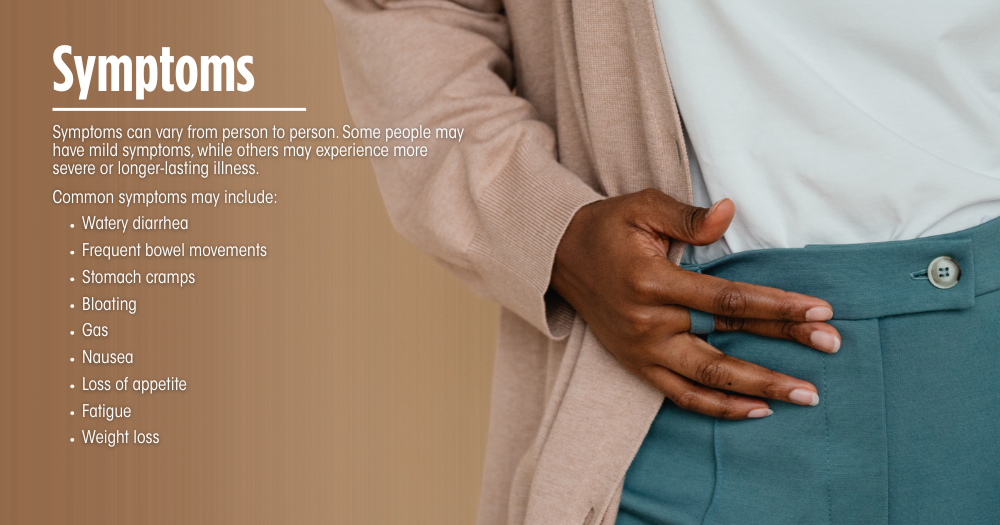
Symptoms can vary from person to person. Some people may have mild symptoms, while others may experience more severe or longer-lasting illness.
Common symptoms may include:
- Watery diarrhea
- Frequent bowel movements
- Stomach cramps
- Bloating
- Gas
- Nausea
- Loss of appetite
- Fatigue
- Weight loss
Less common symptoms may include:
- Vomiting
- Body aches
- Headache
- Low-grade fever
- Flu-like symptoms
Symptoms often begin about one week after a person consumes contaminated food or water, but they may start sooner or later. Without treatment, symptoms may last for several days to a month or longer. Some symptoms may improve and then return.
When to Contact a Healthcare Provider

Anyone experiencing ongoing diarrhea or symptoms that do not improve should contact a healthcare provider. This is especially important for young children, older adults, pregnant individuals, and people with weakened immune systems.
You should seek medical advice if you experience:
- Diarrhea lasting more than a few days
- Signs of dehydration
- Severe stomach pain
- Blood in the stool
- Fever that does not improve
- Symptoms after eating food linked to an outbreak
- Symptoms after recent travel to an area where cyclosporiasis is more common
A healthcare provider may recommend stool testing. It is important to know that Cyclospora may require specific testing, so people with persistent symptoms should tell their provider if they are concerned about possible exposure.
Food Safety Tips That May Help Reduce Risk
While it may not be possible to remove all risks, safe food handling habits can help lower the chance of foodborne illness.
Wash Your Hands
Wash your hands with soap and water:
- Before preparing food
- Before eating
- After using the bathroom
- After changing diapers
- After handling raw foods
- Before and after handling fresh fruits and vegetables
Wash Produce Carefully
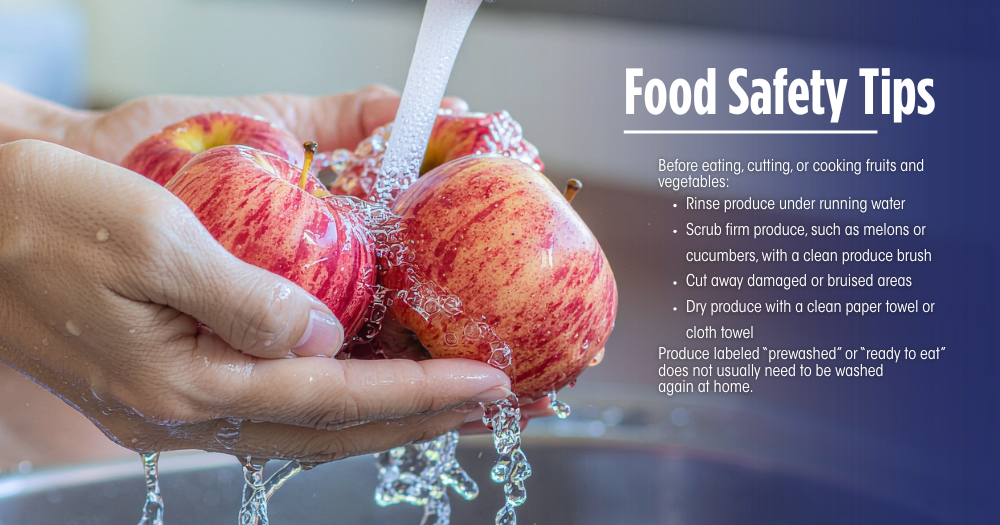
Before eating, cutting, or cooking fruits and vegetables:
- Rinse produce under running water
- Scrub firm produce, such as melons or cucumbers, with a clean produce brush
- Cut away damaged or bruised areas
- Dry produce with a clean paper towel or cloth towel
Produce labeled “prewashed” or “ready to eat” does not usually need to be washed again at home.
Prevent Cross-Contamination
Keep fresh produce separate from raw meat, poultry, seafood, and eggs.
Helpful habits include:
- Using separate cutting boards when possible
- Washing knives, cutting boards, and countertops after use
- Keeping raw foods away from foods that will be eaten fresh
- Storing produce in clean containers
Store Produce Safely
Refrigerate cut, peeled, or cooked fruits and vegetables as soon as possible. As a general rule, do not leave cut produce at room temperature for long periods.
If food has been left out too long, looks spoiled, smells unusual, or has been recalled, it is safest to throw it away.
Be Careful When Traveling
Cyclosporiasis is more common in tropical and subtropical areas. When traveling, consider extra precautions with food and water.
Travel safety tips may include:
- Drinking bottled or treated water when recommended
- Avoiding raw produce if you are unsure how it was washed
- Choosing cooked foods when possible
- Avoiding ice if water safety is uncertain
- Washing hands frequently
What To Do During a Foodborne Illness Outbreak
During an outbreak, public health updates may change as investigators learn more. It is important to follow guidance from trusted sources such as local health departments, the CDC, and the FDA.
If a food recall is announced:
- Check your refrigerator, freezer, and pantry
- Do not eat recalled food
- Throw away recalled items or return them as instructed
- Clean surfaces, drawers, and containers that may have touched the recalled food
- Wash your hands after handling recalled products
If you think you became sick from a specific food, consider writing down what you ate, when symptoms started, and where the food was purchased or prepared. This information may help your healthcare provider or local health department.
Prevention Starts With Everyday Habits
Cyclosporiasis outbreaks can be concerning, but prevention starts with simple steps: washing hands, handling produce carefully, preventing cross-contamination, storing food safely, and staying informed during public health investigations.
Fresh fruits and vegetables are an important part of a healthy diet. Food safety habits can help families continue enjoying fresh foods while reducing the risk of foodborne illness.
Frequently Asked Questions About Cyclosporiasis
What causes cyclosporiasis?
Cyclosporiasis is caused by the microscopic parasite Cyclospora cayetanensis.
How do people get cyclosporiasis?
People can become infected by eating food or drinking water contaminated with the parasite.
Is cyclosporiasis spread from person to person?
Direct person-to-person spread is unlikely because the parasite needs time outside the body before it becomes infectious.
What are the most common symptoms?
Watery diarrhea is the most common symptom. Other symptoms may include cramping, bloating, gas, nausea, fatigue, loss of appetite, and weight loss.
How long does it take for symptoms to appear?
Symptoms often begin about one week after exposure, but the timing can vary.
Can cyclosporiasis be treated?
Yes. A healthcare provider can determine whether testing or treatment is needed. People with ongoing symptoms should seek medical advice.
Can washing produce prevent all risks?
Washing produce can help reduce risk, but it may not remove every germ or parasite. Safe handling, storage, and preparation are also important.
Where should I look for outbreak updates?
Check trusted sources such as the CDC, FDA, and your state or local health department for current outbreak information.
Sources
Centers for Disease Control and Prevention – About Cyclosporiasis
https://www.cdc.gov/cyclosporiasis/about/index.html
Centers for Disease Control and Prevention – Symptoms of Cyclosporiasis
https://www.cdc.gov/cyclosporiasis/signs-symptoms/index.html
Centers for Disease Control and Prevention – Preventing Cyclosporiasis
https://www.cdc.gov/cyclosporiasis/prevention/index.html
Centers for Disease Control and Prevention – Cyclosporiasis Treatment
https://www.cdc.gov/cyclosporiasis/treatment/index.html
U.S. Food and Drug Administration – Cyclospora
https://www.fda.gov/food/foodborne-pathogens/cyclospora
U.S. Food and Drug Administration – Outbreaks of Foodborne Illness
https://www.fda.gov/food/outbreaks-foodborne-illness
Associated Press – Outbreak of Diarrhea-Causing Parasite Grows to More Than 1,000 Cases
https://apnews.com/article/31e5e0034d39e85c844065a2bd593ecb