Learn how vaccines are evolving, why research matters, and how you can explore vaccine studies near you.
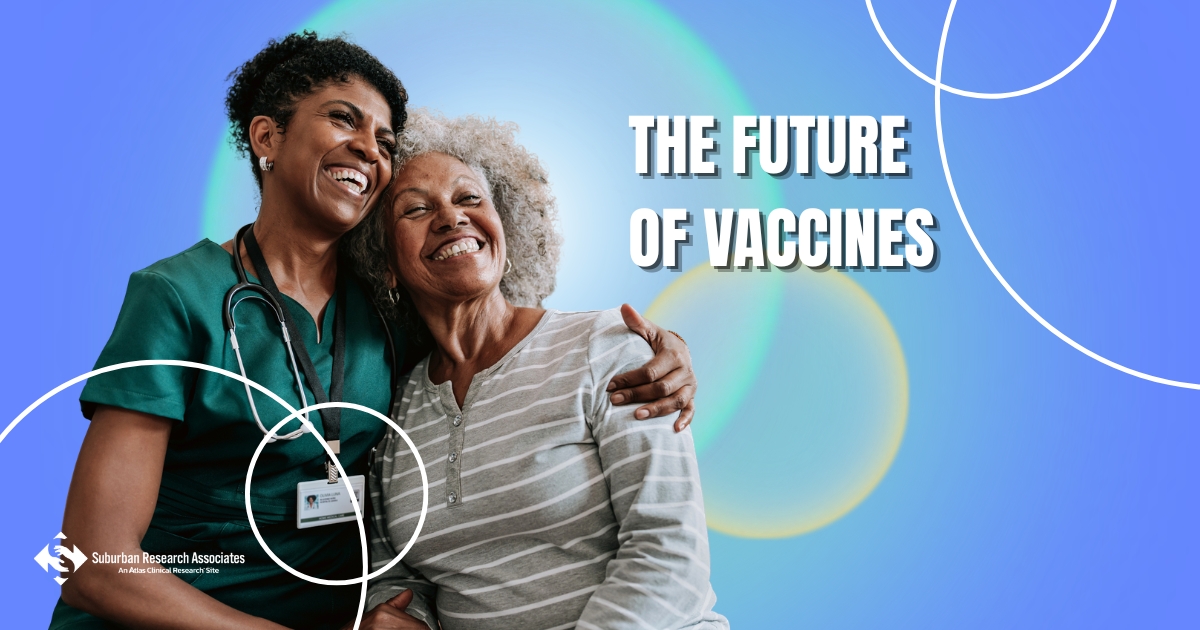
The Future of Vaccines Is Changing — and Research Is Leading the Way
Each year, World Immunization Week (April 24–30) highlights how vaccines help protect people from serious diseases.
Today, vaccines are already an important part of staying healthy—but the future of vaccines may look very different than it does now.
Thanks to ongoing vaccine research and clinical trials, scientists are finding new ways to make vaccines:
- Faster to develop
- More effective
- Easier to access
How Are Vaccines Made and Improved Over Time?
Vaccines are developed through careful clinical research studies that test for safety and effectiveness before they are available to the public.
Over time, vaccines improve through:
- Advances in science and technology
- Better understanding of the immune system
- Data from real-world use
This is why vaccine development continues to evolve—and why research is so important.
What Is the Future of Vaccines?
Researchers are working on the next generation of vaccines. In the future, vaccines may:
- Protect against multiple viruses or strains at once
- Be developed more quickly during outbreaks or pandemics
- Require fewer doses or provide longer protection
- Be easier to store and distribute in local communities
Global collaboration—including discussions at meetings like the World Vaccine Congress Washington—helps move these innovations forward.
New Vaccine Technology: How Is Vaccine Research Changing?
Modern vaccine research is focused on improving how vaccines work with the body’s immune system.
Faster Vaccine Development
New platforms, such as mRNA technology, allow scientists to design vaccines more quickly than traditional methods.
Broader Protection
Some vaccines in development aim to protect against multiple strains of a virus, which may reduce the need for frequent updates.
Better Understanding of Immune Response
Researchers are learning how different groups respond to vaccines. This includes studying age, health conditions, and other factors that may affect how the immune system reacts.
This research does not mean vaccines are customized for each person, but it helps make vaccines safer and more effective for a wider range of people.
Focus on Prevention and Long-Term Health
More research is focused on preventing disease earlier—including vaccines designed for adults to help reduce the risk of serious illness later in life.
Why Are Vaccines Important for Public Health?
There’s a simple idea in public health: vaccines only work when people receive them.
This connects to herd immunity, also called community protection. When enough people are vaccinated, it becomes harder for diseases to spread.
Vaccines protect not just individuals, but entire communities.
Why Clinical Trials for Vaccines Matter
Every vaccine goes through clinical trials before it becomes available.
Clinical trials help:
- Confirm vaccines are safe and effective
- Improve existing vaccines
- Develop new vaccines
- Prepare for future health needs
Without clinical research, new vaccines would not be possible.
How to Find Vaccine Studies Near You
If you’re interested in learning more about vaccine studies near you, our research team at Suburban Research Associates is here to help.
Getting started is simple. You can complete a short form on our website, and a study specialist will contact you to:
- Answer your questions
- Review current or upcoming studies
- See if you may qualify
Every study has different requirements, so speaking with a real person helps make sure you’re matched with the right opportunity.
Taking part in a research study is always voluntary, and there’s no obligation to participate.
Looking Ahead
The future of vaccines will continue to evolve. It may include faster development, broader protection, and better ways to prevent disease.
But one thing will stay the same: vaccines make the biggest impact when people have access to them and choose to receive them.
As we recognize World Immunization Week, it’s a reminder that protecting health starts with awareness, access, and ongoing research.
Frequently Asked Questions About Vaccines and Research
What is vaccine research?
Vaccine research is the process of studying how vaccines are developed, tested, and improved to make sure they are safe and effective.
Are vaccines tested before they are available?
Yes. Vaccines go through multiple phases of clinical trials before they are approved for use.
What are clinical trials for vaccines?
Clinical trials are research studies where volunteers help researchers test new vaccines or improve existing ones.
Why are vaccines important?
Vaccines help protect individuals and communities from serious diseases by preventing the spread of illness.
Can I participate in a vaccine study?
Yes. Many clinical research sites offer opportunities to participate in vaccine studies. Our study team can help determine if you may qualify.
Learn More About Vaccines
Centers for Disease Control and Prevention (CDC) – https://www.cdc.gov/vaccines
National Institute of Health (NIH) – Community Immunity
https://newsinhealth.nih.gov/2011/10/community-immunity
ClinicalTrials.gov – https://clinicaltrials.gov
MedlinePlus – https://medlineplus.gov/clinicaltrials.html
World Vaccine Congress Washington
https://www.terrapinn.com/conference/world-vaccine-congress-washington/